
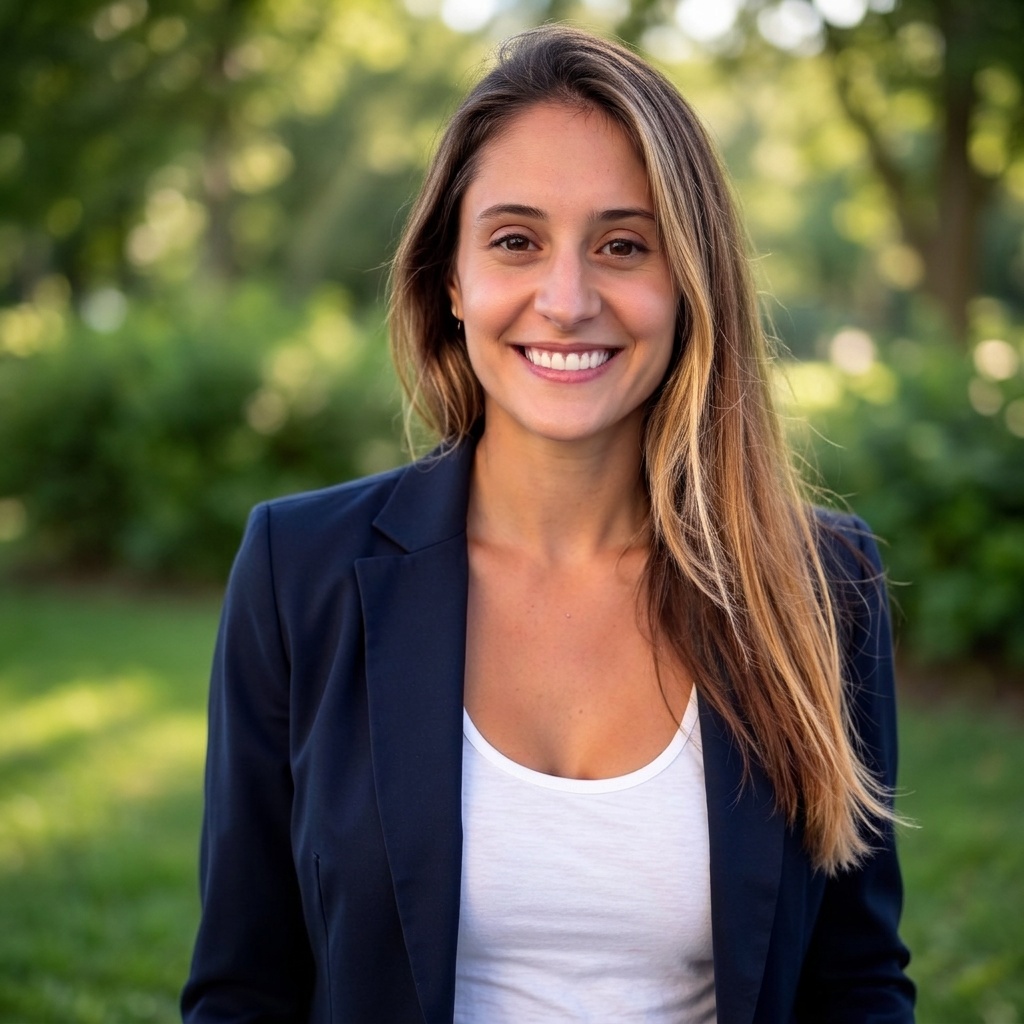
Background
About the Practice
I've always been drawn to understanding the complexity of the human experience—both the pain people carry and the remarkable capacity we have to adapt, survive, and heal. That curiosity led me to study trauma through two master's programs from clinical, historical, and societal perspectives. Over the past decade, my work has included supporting individuals and families affected by addiction while also working with people navigating a wide range of relational and emotional challenges.
As my experience grew, so did my perspective. I began to see that while people's struggles looked different on the surface—substance use, codependency, perfectionism, chronic anxiety, emotional avoidance, or painful relationship patterns—they often reflected similar underlying processes. Early experiences and generational trauma shaped protective patterns that once helped people survive, but later became difficult cycles to break. That realization fundamentally changed the way I understood people. Rather than seeing behaviors as problems to eliminate, I came to see them as adaptations that made sense within the context of someone's story. I became less interested in asking, "How do we stop this behavior?" and more interested in asking, "What allows someone to no longer need it?"
Why Vea
To see clearly.
Vea is the imperative form of the Spanish ver: see. Not analyze. Not fix. See.
There is a difference between looking for something, searching for something, and seeing it. Looking and searching can be efforts of the mind. Seeing sometimes happens on its own. It is the moment something that has been present but out of reach becomes clear, not only logically but in the way you experience yourself.
Much of what people bring to therapy has been avoided consistently, and often for very good reasons. To look at it plainly, without flinching, can be a large part of the intervention. Insight can be a beginning. But there can be another shift: I know this logically. I see it clearly. I can begin to embody a different way of being.
- Licensed Clinical Social Worker
- Florida License #SW26967
- Master of Social Work, Barry University
- Master of Arts, University of Miami
- EMDR-trained through the EMDR Institute
- Florida-based — psychotherapy for adults throughout Florida
Approach
My approach is collaborative, experiential, and tailored to your unique needs. Rather than focusing only on insight, we pay attention to what's happening in the room, in your relationships, and within your body.
Learn about the approach